24
youth participants from six country groups
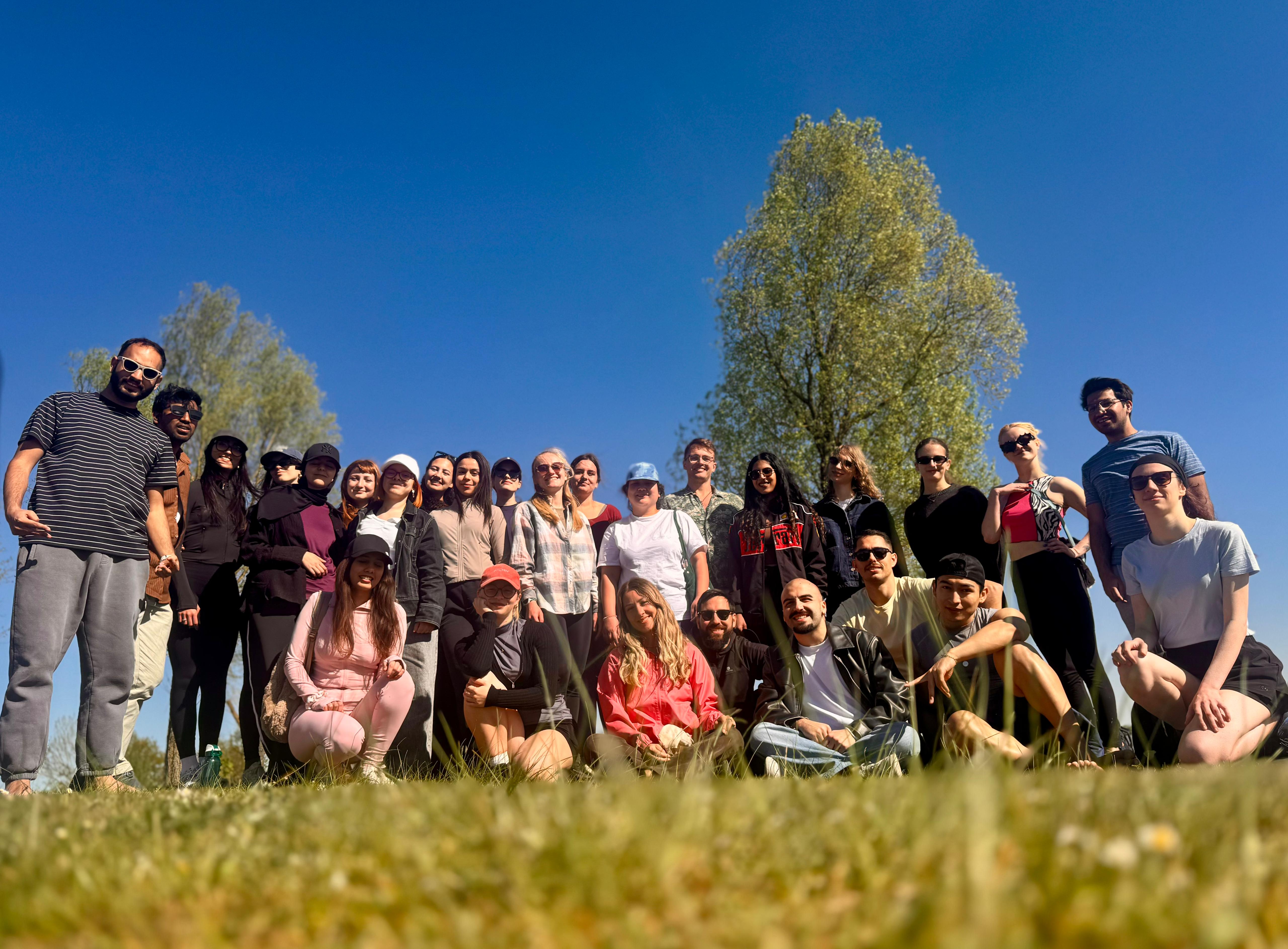
The mobility brought together 24 youth participants from Germany, Norway, Spain, Italy, Hungary, and Poland, with six group leaders (30 people in the mobility group).
Completed · April 2026
Path2Wellness was an Erasmus+ youth exchange in Gunzenhausen, Germany, coordinated by Highlights e.V. with partner organisations in Norway, Spain, Italy, Hungary, and Poland. The programme brought young people together to explore mental and physical well-being through outdoor education, mindfulness, and intercultural learning in a nature-based setting.
Over seven days, the mobility combined non-formal methods: outdoor mental health workshops, hiking and team challenges, mindfulness and breathwork, forest bathing, intercultural sharing, youth-led sessions, daily reflection, and an Erasmus+ information session. The group stayed at a countryside training venue surrounded by forests and trails, with shared community living and periods of digital detox alongside the learning programme. Youthpass recognition documented learning during the exchange.
Participants came from Germany, Norway, Spain, Italy, Hungary, and Poland, including young people with fewer opportunities and many first-time Erasmus+ participants.
Non-formal sessions explored how nature-based activity can support stress reduction, resilience, and emotional well-being.
Outdoor challenges built teamwork, leadership, and confidence through shared physical and problem-solving tasks.
Meditation, breathwork, and related practices supported emotional regulation and everyday well-being habits.
Guided time in natural surroundings helped participants reconnect with place, presence, and physical well-being.
Cultural sharing, storytelling, and participant-led workshops encouraged peer learning across country groups.
Daily reflection, journaling, and peer feedback documented learning, with Youthpass recognition for competences developed.
A dedicated session introduced further Erasmus+ and international youth opportunities after the exchange.
The mobility brought together 24 youth participants from Germany, Norway, Spain, Italy, Hungary, and Poland, with six group leaders (30 people in the mobility group).
Thirteen participants faced fewer opportunities linked to education, culture, social, economic, discrimination, disability, health, or geographic barriers addressed in the project design.
Participants practised stress-management, mindfulness, and outdoor well-being strategies they could continue using after the mobility.
The exchange strengthened interpersonal skills, intercultural understanding, and peer connections across six European countries.
Participants were encouraged to share learning at home, continue outdoor well-being habits, and stay engaged with Erasmus+ opportunities after returning.