48
participants across two training mobilities
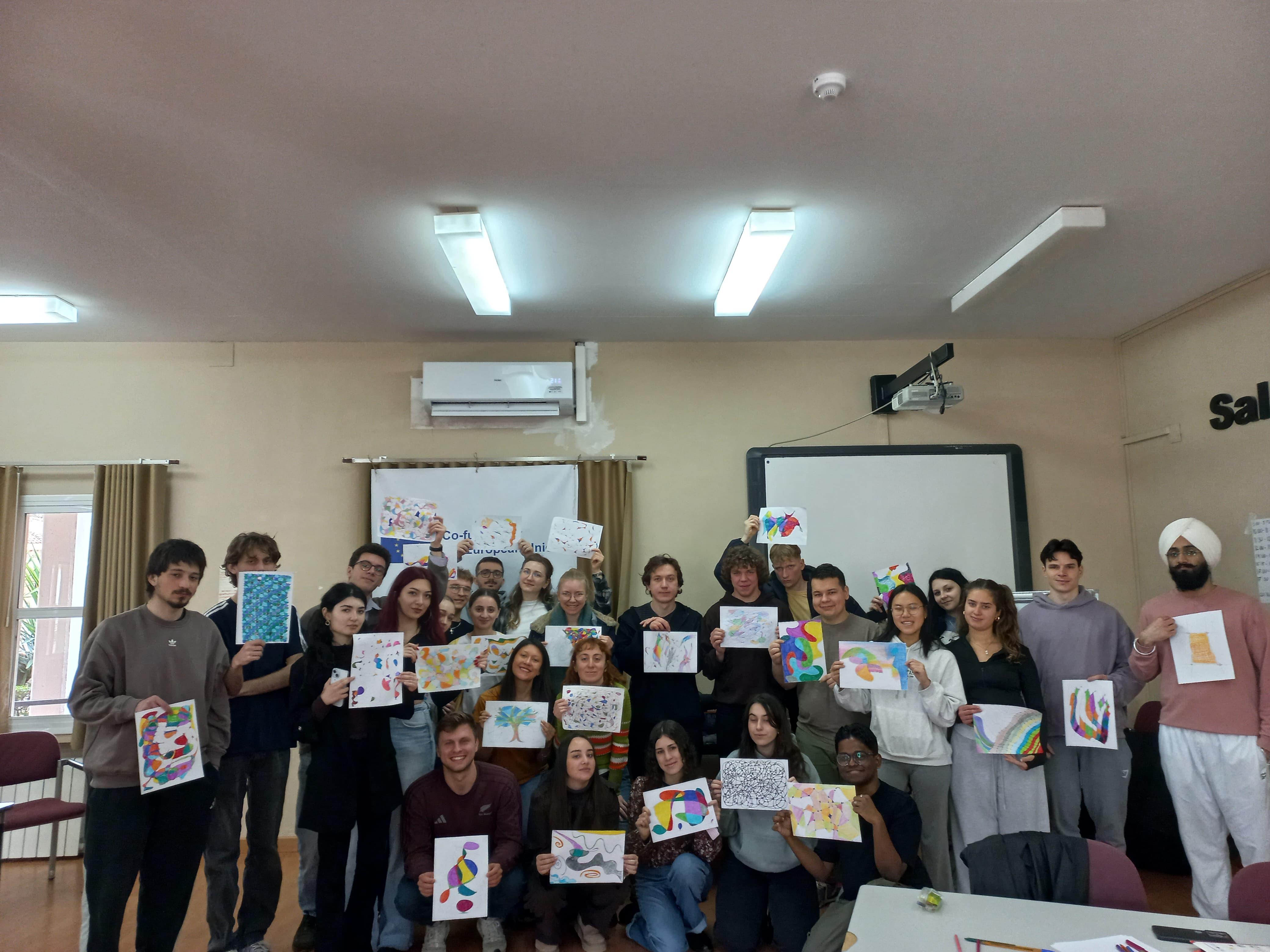
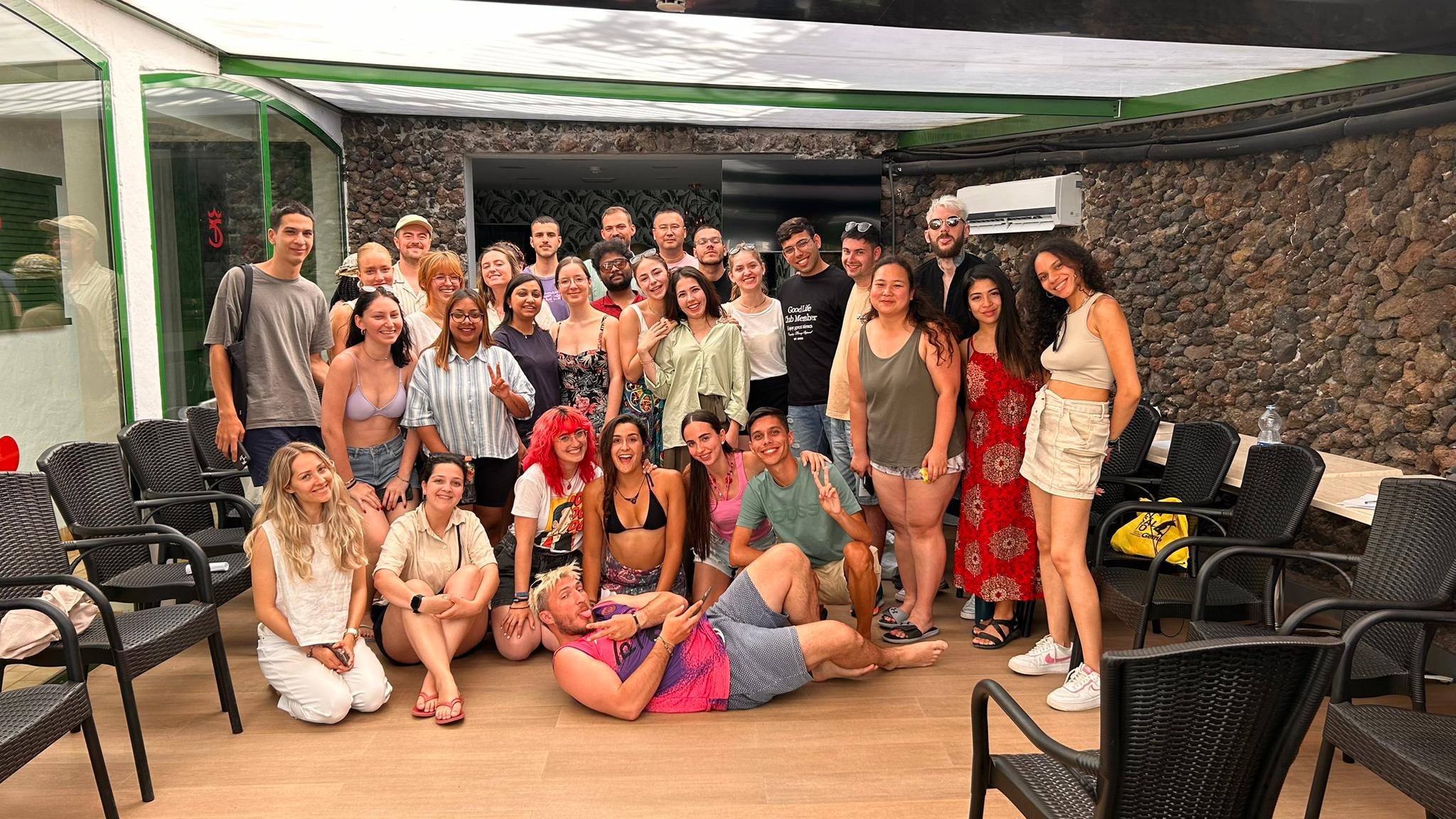
Twenty-four people per mobility (including participants, trainers, and staff) from seven countries took part — 48 in total across Ruhpolding and Madeira.
Completed · February 2025
Infodemic - Path to Wellness was an Erasmus+ KA153 professional development project coordinated by Highlights e.V. with partner organisations in Poland, Portugal, Sweden, Spain, Italy, and Türkiye. The programme equipped youth workers, educators, and trainers with digital skills and non-formal methods so they could help young people navigate online life while protecting mental wellbeing.
The project followed a three-stage journey across two international mobilities: a training mobility in Ruhpolding on digital competences and safer digital youth work, local practice workshops in participants’ home communities, and a second mobility in Madeira focused on eWellness, mental resilience, peer reflection, and dissemination. Outputs included a reusable toolkit of methodologies and Youthpass recognition of learning.
Participants came from seven partner countries. The mobilities combined non-formal workshops, peer exchange, and practical tools for digital citizenship and eWellness that youth workers could take back into their local practice.
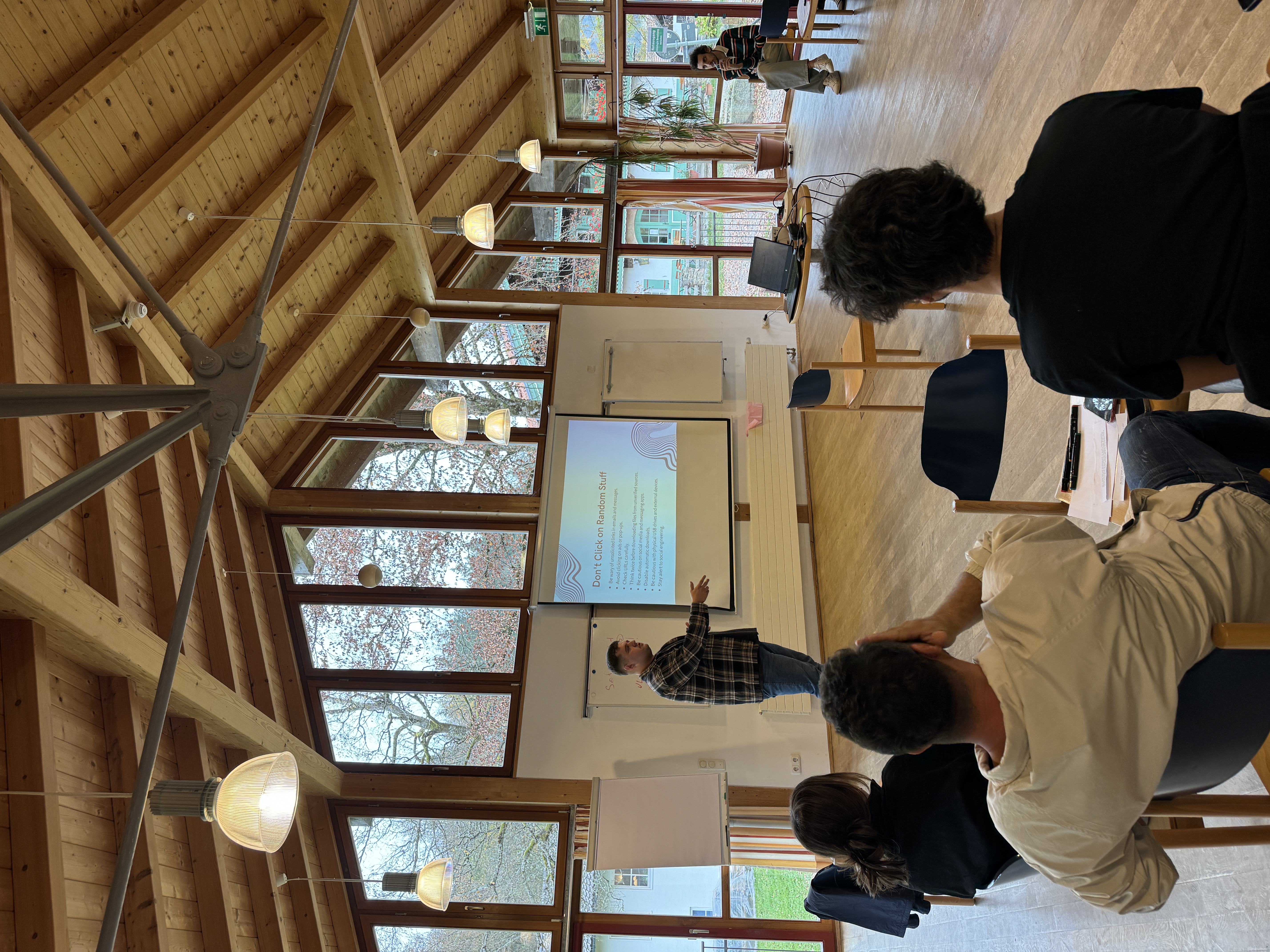
A six-day professional development mobility in Ruhpolding, Germany (12–17 August 2024) focused on digital competences, information literacy, and tools for safer digital youth work.
Between the two mobilities, participants ran local workshops on digital citizenship and eWellness with young people in their home communities.
A second six-day mobility in Funchal, Madeira, Portugal (10–15 February 2025) focused on eWellness, mental resilience, peer reflection, and follow-up from local practice.
Sessions used communication-, activity-, social-, and self-managed non-formal methods, including workshops, peer dialogue, quizzes, and group reflection.
The consortium developed a reusable toolkit of non-formal methods on digital competences, online safety, and mental wellbeing for wider youth work use.
Learning was recognised through Youthpass, with reflection on competences developed during the professional development activities.
The second mobility included peer reflection and an open event in Funchal to share practice and promote related European opportunities.
Twenty-four people per mobility (including participants, trainers, and staff) from seven countries took part — 48 in total across Ruhpolding and Madeira.
Twenty participants with fewer opportunities took part across the two professional development activities.
Youth workers gained practical skills for digital safety, information literacy, and mental wellbeing support in digital youth work.
Participants delivered local workshops between the two mobilities, extending learning to young people in partner communities.
The project left a toolkit of non-formal education methods that other organisations can use beyond the project lifetime.
Training in Germany and Portugal, with local practice workshops between the two mobilities.
First six-day professional development mobility focused on digital competences, information literacy, and tools for safer digital youth work.
Second six-day mobility focused on eWellness, mental resilience, peer reflection, and dissemination — hosted in Funchal with ARTE M.